

Vacuum Distillation Furnace for Copper-Zinc Separation and Recovery Delivers High-Purity Metal Recycling
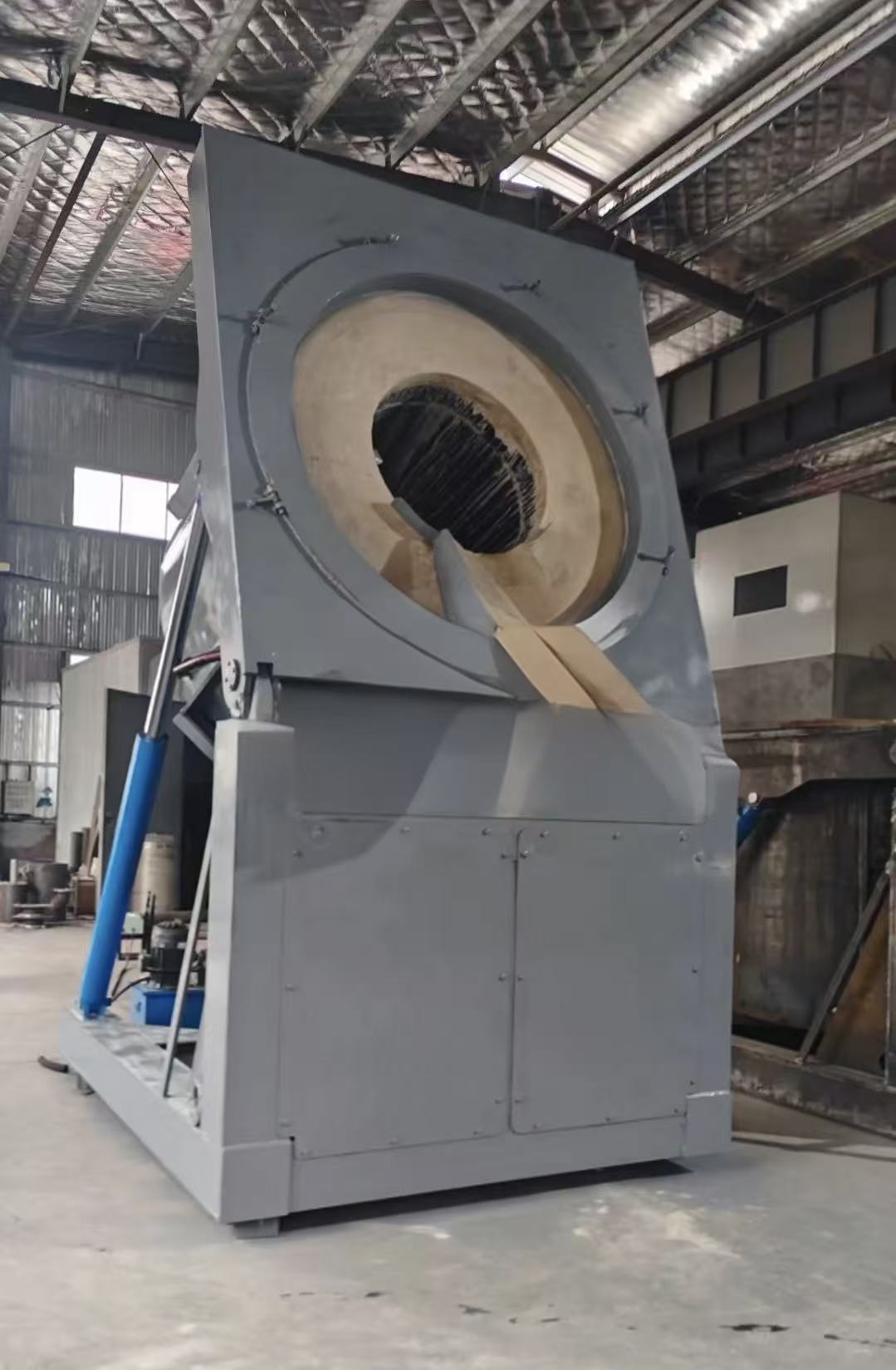
copper zinc alloy separation recovery vacuum furnace
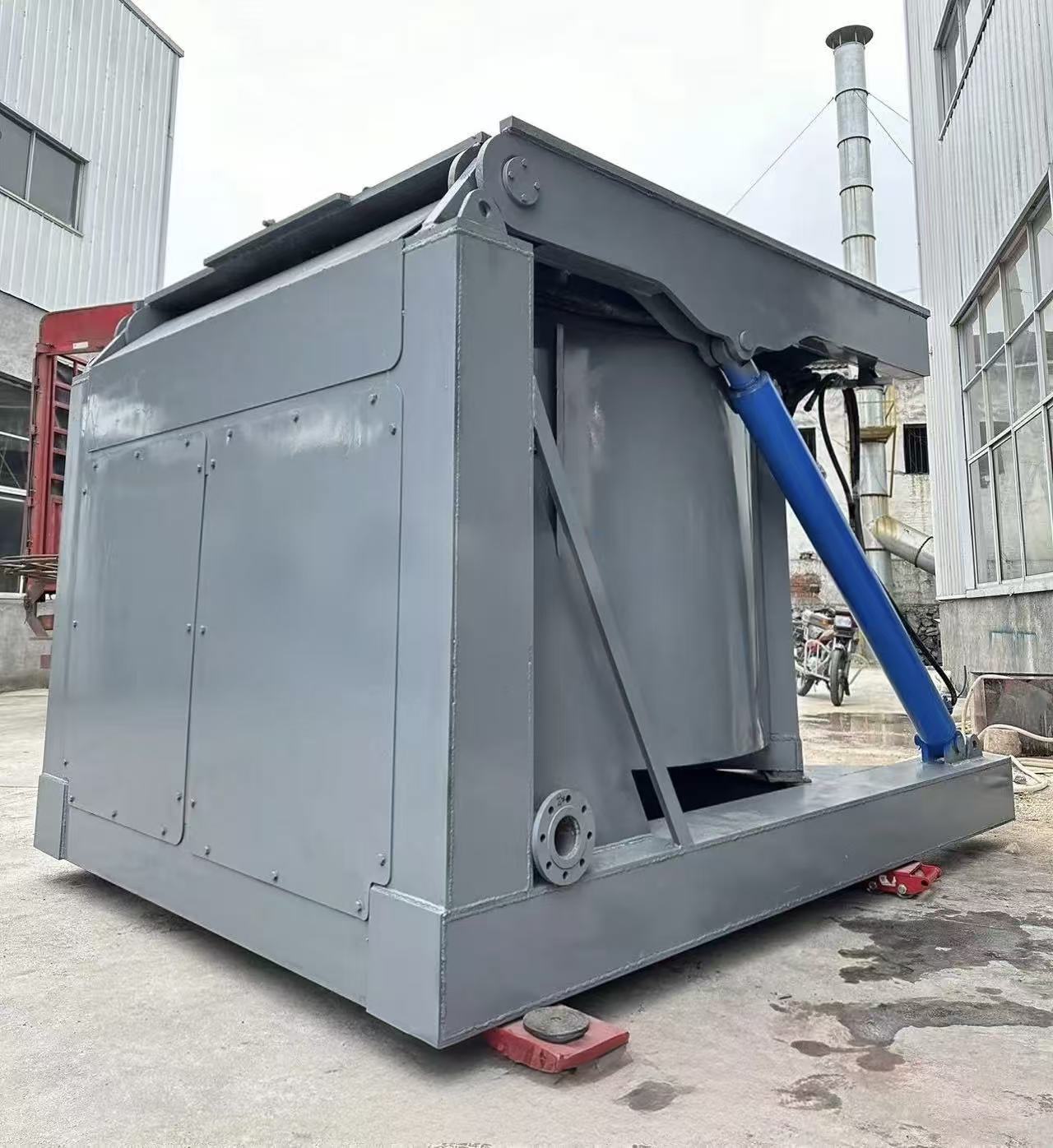
Vacuum Distillation Furnace for copper‑zinc separation and recovery
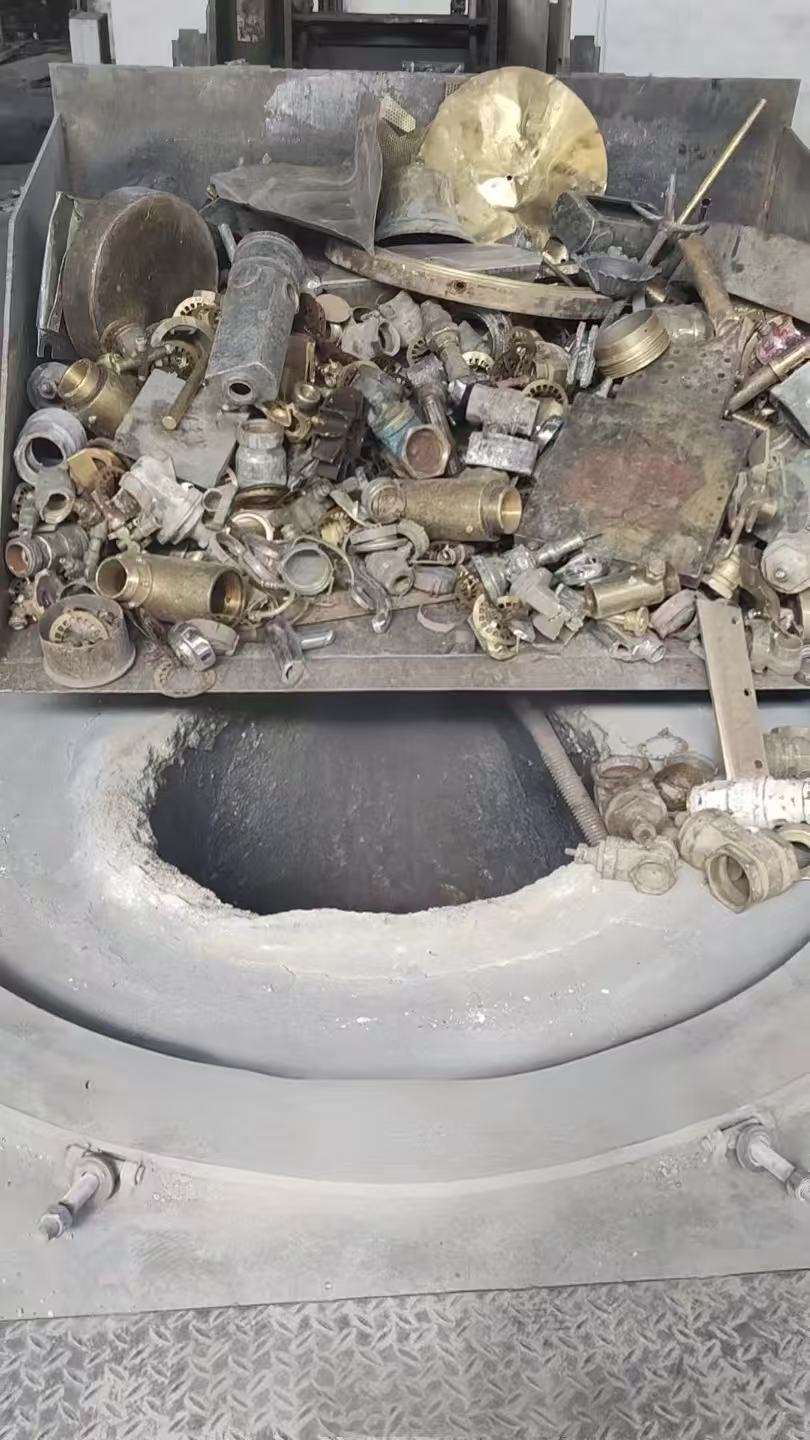
Vacuum Metallurgy Furnace-Copper Zinc Separation and Recovery Vacuum Furnace
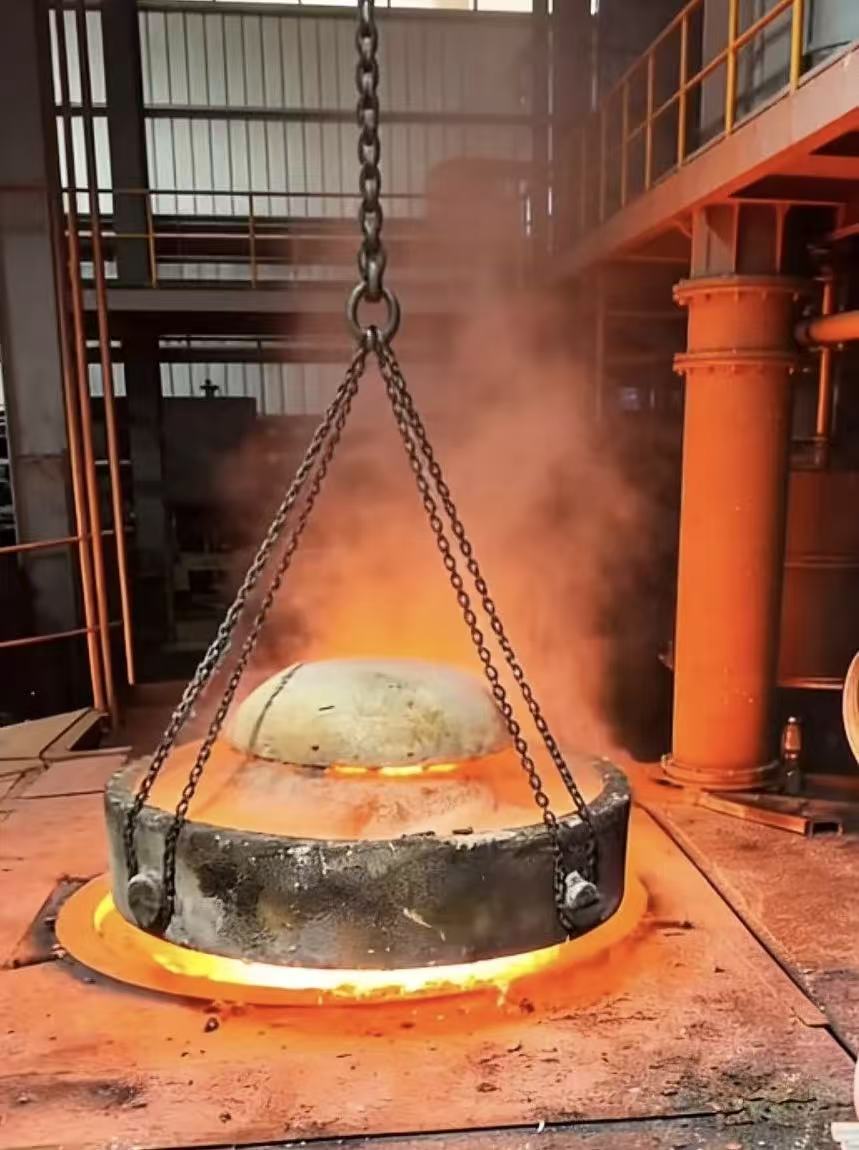
Copper Zinc Separation Vacuum Furnace
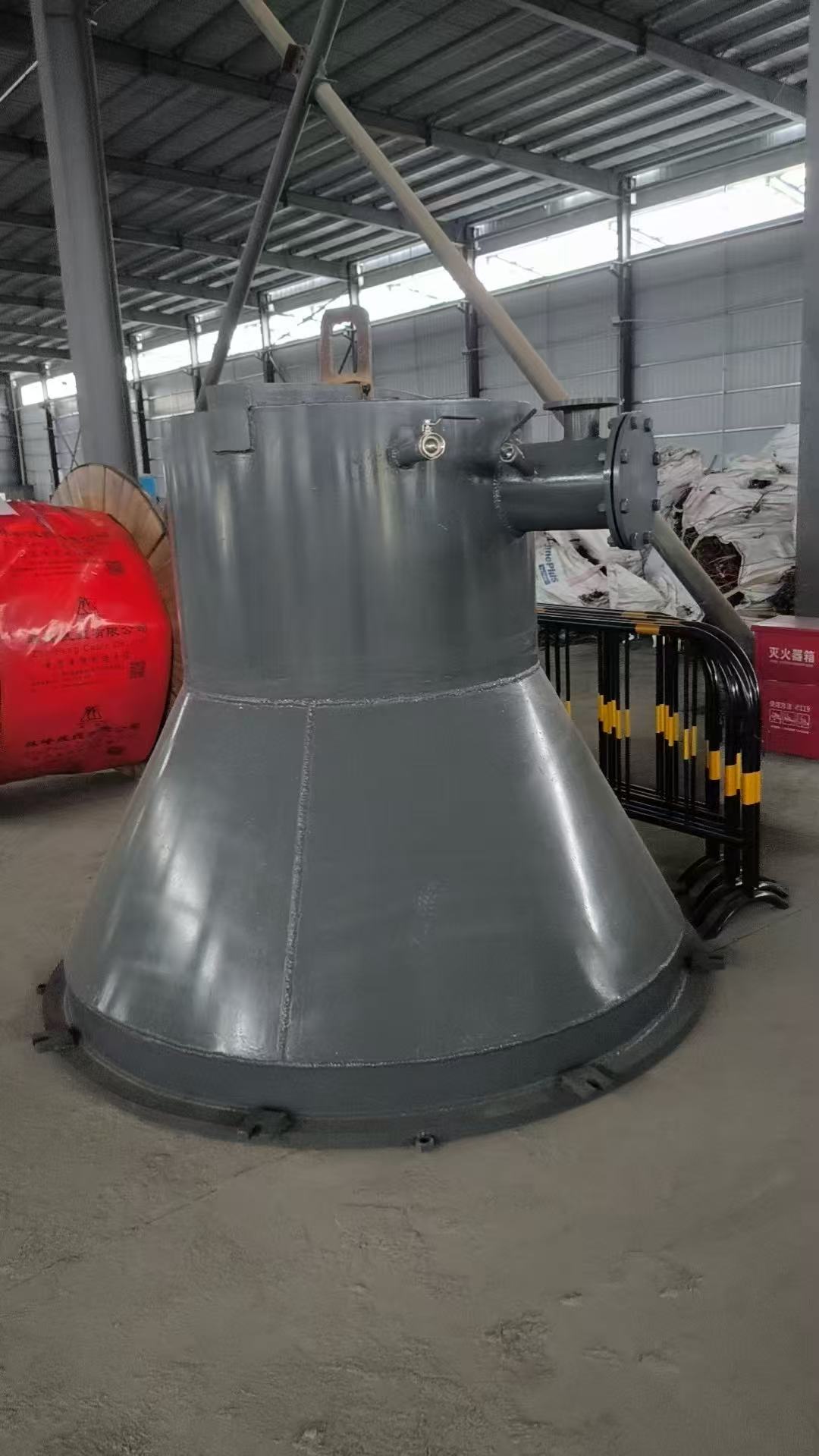
Copper zinc separation vacuum furnace-Vacuum Distillation Furnace
vacuum distillation furnace for separation of copper and zinc, increase the purity of zinc recovery and reduce oxidation losses, making the process cleaner.
NY, UNITED STATES, April 12, 2026 /EINPresswire.com/ -- In today’s recycling and metallurgical industries, copper and zinc are both strategically important metals. When these two metals occur together in alloys, residues, or mixed scrap, efficient separation becomes a critical step in maximizing recovery value. This is where the vacuum distillation furnace offers a major industrial advantage.
Among the most promising solutions now attracting industrial attention is the vacuum distillation furnace for copper-zinc separation and recovery. This technology is designed to selectively recover zinc from copper-zinc materials such as brass scrap, metallurgical residues, process intermediates, and other secondary raw materials.
Unlike conventional melting or atmospheric separation processes, vacuum distillation works by taking advantage of the different vapor pressure and boiling behavior of zinc and copper under reduced pressure. Under vacuum, zinc can be volatilized more selectively and at lower effective temperatures, while copper remains in the condensed or residue phase. This controlled difference allows processors to recover zinc in a much more useful form and preserve copper-bearing material with reduced contamination and oxidation. As a result, the vacuum distillation furnace is increasingly being recognized as a practical and scalable recovery solution for modern non-ferrous processing plants.
Principles
The core principle behind the copper zinc separation furnace is the thermodynamic behavior of metals under vacuum. At atmospheric pressure, zinc boils at 907°C, while copper melts at 1085°C and boils at 2562°C. However, under vacuum, zinc’s boiling point drops dramatically, enabling selective vaporization at temperatures far below its atmospheric boiling point.
The separation process follows these steps:
1. The furnace is evacuated to a deep vacuum, typically between 1 and 50 Pa.
2. The charge material—brass scrap, copper zinc alloy, or mixed residues—is heated to a controlled temperature.
3. Zinc vaporizes under vacuum, leaving copper behind in molten form.
4. Zinc vapor flows into a condensation chamber, where it solidifies or liquefies into high purity zinc metal.
5. Copper remains in the crucible, purified and ready for casting or further refining.
This method eliminates oxidation, reduces energy consumption, and enables high purity separation without chemical fluxes or environmentally harmful additives.
Technologies
The latest generation of vacuum distillation furnace systems is built around a combination of thermal engineering, vacuum control, condensation design, and process automation. These systems are designed to process copper-zinc materials in a sealed environment while maintaining stable operating conditions that allow selective zinc volatilization and efficient recovery.
At the heart of the system is the furnace chamber. This chamber must be designed to withstand repeated thermal cycling while maintaining vacuum integrity. It is typically lined or constructed with materials suited to high-temperature non-ferrous processing, and it must be resistant to both thermal stress and chemical interaction with the processed feedstock. The chamber design also influences how evenly the material is heated and how effectively zinc vapor can migrate toward the condensation zone.
The vacuum system is another critical technology component. Depending on furnace size and application, the system may use one or more vacuum pumps to reduce and maintain the desired chamber pressure. Stable vacuum performance is essential to the process because it directly affects zinc evaporation behavior. A poorly designed vacuum circuit can reduce separation efficiency, increase cycle instability, or create maintenance challenges. Modern systems therefore emphasize reliable sealing, durable valves, and process-safe pressure management.
The heating technology used in a copper zinc separation furnace can vary depending on the system design. Some installations emphasize uniform chamber heating, while others focus on optimized charge heating based on feed form and batch size. The goal is always the same: to deliver enough thermal energy to drive zinc evaporation efficiently without undermining process control or material quality. In industrial practice, heating design must be matched carefully to the feed composition and separation objectives.
Condensation and recovery technology are equally important. Once zinc vapor is generated, it must be cooled and collected effectively. This requires a dedicated condensation section or collection path designed to encourage efficient zinc condensation while minimizing deposition losses and contamination. The design of this section influences final zinc recovery rate, purity, and ease of maintenance. In well-engineered systems, the condensation zone is integrated into the overall thermal and vacuum balance of the furnace rather than treated as a separate add-on.
Control technology is another major area of development. Modern vacuum distillation furnaces increasingly include PLC-based control systems, temperature monitoring, pressure tracking, process recipe management, and alarm logic. These features help operators maintain stable conditions and improve repeatability from batch to batch. In advanced plants, data logging and remote diagnostics may also be included to support process optimization, maintenance planning, and traceability.
Feed preparation technology is also part of the total solution. In many cases, copper-zinc scrap or residues perform better in the furnace when they are pretreated through sorting, drying, sizing, or contaminant removal. While the furnace is the core processing unit, upstream preparation can have a major effect on separation efficiency, cycle time, and output quality. The most successful industrial systems therefore treat vacuum distillation not as an isolated machine, but as part of a broader metallurgical process design.
Applications
The vacuum distillation furnace has a growing range of applications across brass recycling, zinc recovery, secondary copper processing, alloy refining, and treatment of zinc-bearing metallurgical residues. Its most prominent use is in copper-zinc separation from brass-related feedstocks, where it helps recover zinc selectively while leaving behind a copper-rich material suitable for further use.
One of the most important application areas is brass scrap processing.Brass production and downstream manufacturing generate large volumes of offcuts, turnings, defective parts, and end-of-life scrap. In many cases, this material contains valuable amounts of both copper and zinc. Rather than simply remelting all of it into lower-value mixed-use products, processors can use a copper zinc separation vacuum furnace to separate zinc and copper more selectively, increasing the value of both recovered streams.
Another application is in the treatment of zinc-bearing residues from non-ferrous plants. Metallurgical dusts, intermediate process residues, and alloy-related by-products may contain recoverable zinc alongside copper or other metals. Vacuum distillation offers a route for selectively recovering zinc from such materials under controlled conditions. This can improve the economics of residue treatment and reduce the amount of valuable metal lost to waste streams.
The technology is also relevant for specialized alloy refining. In some industrial contexts, de-zincing is required as part of a controlled refining process rather than simple waste recovery. Vacuum distillation can support this need by selectively removing zinc from copper-zinc materials in a more controlled manner than conventional thermal approaches. This can be useful where product purity, alloy adjustment, or residue quality are especially important.
Electronic and mixed non-ferrous waste streams may also present opportunities for application, particularly where copper and zinc occur together in forms suitable for thermal separation. While not every e-waste stream is appropriate for vacuum distillation, selected secondary materials can benefit from the technology when feed composition is understood and properly prepared.
There is also a strong role for this process in circular economy-oriented industrial systems. As manufacturers and recyclers seek to recover more usable metal from complex secondary resources, vacuum distillation provides a way to improve resource efficiency and reduce dependence on virgin metal supply. This makes the technology relevant not only to smelters and recyclers, but also to industrial groups focused on sustainability and long-term raw material resilience.
Advantages
The vacuum copper zince separation furnace offers a combination of metallurgical, economic, and environmental advantages that make it especially attractive for copper-zinc separation and recovery. Its greatest strength is selective recovery. By exploiting the natural thermodynamic difference between zinc and copper under vacuum conditions, the process provides a clear and technically sound route for recovering zinc while preserving copper-rich residue.
Another major advantage is improved zinc recovery quality. Under vacuum, the process reduces oxidation and supports cleaner zinc volatilization and condensation. This can improve the usability and commercial value of the recovered zinc compared with less controlled atmospheric methods. At the same time, the copper-bearing residue is typically less degraded by oxidation and can often be directed to remelting or refining more effectively.
Process control is another important benefit. A well-designed copper zinc separation furnace allows operators to regulate heating, vacuum level, cycle time, and recovery conditions with much greater precision. This improves batch-to-batch consistency and helps support quality-focused recycling operations. In industries where metal value depends heavily on composition and recoverability, this level of control is highly important.
The process also supports cleaner production objectives. Lower oxygen exposure, enclosed processing, and more selective separation all contribute to better environmental performance when compared with more open or less targeted thermal methods. While proper plant engineering and gas handling are still essential, the furnace itself is aligned with cleaner and more controlled metallurgy.
From an economic perspective, the biggest advantage may be value maximization. When copper and zinc are recovered in more distinct and usable forms, their market value can be significantly better than that of mixed or downgraded intermediates. This can improve the profitability of recycling and secondary smelting operations, especially when feedstock volumes are sufficient and process control is stable.
The technology also offers strategic flexibility. It can be used in operations focused on brass scrap, specialized residues, alloy refining, or secondary zinc recovery. This range of applications makes the vacuum distillation furnace a potentially valuable asset for companies with diversified non-ferrous material streams.
Global Market Outlook
The global market outlook for vacuum distillation furnace technology in copper-zinc separation and recovery is positive, driven by several converging factors. First, the long-term importance of copper and zinc in modern industry remains strong. Copper demand is growing in power systems, electric mobility, infrastructure, and energy transition technologies. Zinc remains essential for galvanizing, die casting, alloy production, and anti-corrosion applications. As demand for both metals continues, the value of recovering them efficiently from secondary sources is increasing.
Second, the recycling industry is moving toward more advanced and selective processing methods. Simple recovery routes are no longer enough in markets where raw material costs, environmental regulation, and sustainability targets are all tightening simultaneously. This creates favorable conditions for technologies like the copper zinc separation vacuum furnace, which offer more precise recovery and stronger resource utilization.
Third, policy and investment trends are increasingly supportive of circular economy infrastructure. Governments, manufacturers, and industrial investors are placing greater emphasis on secondary resource recovery, lower waste generation, and improved environmental performance. Technologies that help recover high-value metals from industrial residues and scrap streams are therefore receiving more attention and, in many regions, more support.
Regional growth is likely to be particularly strong in industrial economies with active non-ferrous processing, brass production, scrap recycling, and alloy manufacturing. Markets in Asia, Europe, and selected parts of the Americas are expected to remain important because of their established metalworking ecosystems and increasing focus on cleaner processing technologies.
At the same time, competition in the recycling sector is becoming more quality-driven. Plants are under pressure not only to recover metal, but to recover it more efficiently and in more valuable forms. That favors technologies capable of delivering better separation selectivity and improved output quality. In this context, the vacuum distillation furnace is well positioned to move from a specialized metallurgical solution into a broader industrial role.
Conclusion
The copper zince separation vacuum furnace is emerging as a highly relevant technology for modern copper-zinc separation and recovery. By using controlled vacuum conditions to selectively volatilize zinc from copper-zinc materials, it offers a cleaner, more precise, and more economically attractive route for treating brass scrap, non-ferrous residues, and secondary alloy feedstocks.
Its value lies in the combination of sound metallurgical principles and industrial practicality. It allows zinc to be recovered more effectively while preserving copper-rich residue for further use. It reduces oxidation, supports cleaner processing, and helps improve the overall value recovered from secondary materials. For recyclers, secondary smelters, alloy refiners, and non-ferrous recovery plants, this creates a strong case for adoption.
As global industry places greater emphasis on resource efficiency, lower emissions, and higher-value recycling, the copper zinc separation furnace is likely to become an increasingly important part of the non-ferrous processing landscape. It is more than a furnace. It is a strategic recovery platform for companies looking to improve yield, purity, and sustainability in copper-zinc metal recycling.
FAQs
What is a vacuum distillation furnace for copper-zinc separation?
A vacuum distillation furnace for copper-zinc separation is a high-temperature recovery system that operates under reduced pressure to selectively evaporate zinc from copper-zinc materials while leaving a copper-rich residue behind.
How does a copper zinc separation furnace work?
It works by heating copper-zinc feedstock in a vacuum chamber. Under vacuum, zinc volatilizes more readily than copper. The zinc vapor is then cooled and condensed in a separate collection zone, while the copper-rich fraction remains in the furnace.
What materials can be processed in a copper zinc separation vacuum furnace?
Typical materials include brass scrap, copper-zinc alloy waste, zinc-bearing copper residues, selected metallurgical intermediates, and some non-ferrous process by-products.
Why is vacuum used in this process?
Vacuum reduces the boiling tendency threshold of zinc, improves selective separation, lowers oxidation, and supports cleaner recovery of zinc vapor compared with atmospheric treatment.
What is the main advantage of vacuum distillation over conventional recovery methods?
The main advantage is more selective copper-zinc separation with improved zinc recovery quality and better preservation of the copper-bearing residue.
Can the vacuum distillation furnace recover pure zinc?
It can recover zinc in a significantly more usable and cleaner form, but final purity depends on feed composition, process control, and condensation system design.
Is the process suitable for brass recycling?
Yes. Brass recycling is one of the most important applications because brass is a copper-zinc alloy and vacuum distillation can selectively recover zinc from it.
Does the process reduce oxidation?
Yes. The reduced-oxygen vacuum environment helps lower oxidation during heating and zinc evaporation, which supports cleaner recovery.
Is this technology suitable for industrial-scale operation?
Yes. Properly engineered vacuum distillation furnaces can be designed for industrial-scale batch or semi-continuous processing depending on plant needs.
Why is this technology important for the future of metal recycling?
Because it supports higher-value recovery of strategic metals from secondary resources, improves process efficiency, and aligns well with circular economy and sustainability goals.
Cali Chen
HLQ Induction Equipment Co.,Ltd
+86 131 5596 5571
sales@dw-inductionheater.com
Visit us on social media:
Facebook
YouTube
X
Legal Disclaimer:
EIN Presswire provides this news content "as is" without warranty of any kind. We do not accept any responsibility or liability for the accuracy, content, images, videos, licenses, completeness, legality, or reliability of the information contained in this article. If you have any complaints or copyright issues related to this article, kindly contact the author above.
